
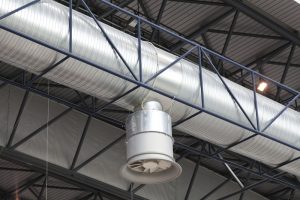
 Air quality inside buildings is often three to four times worse than the air outside. This is the opposite of what most people think when it comes to air quality, which is that air pollution is what occurs outside.
The concern with indoor air quality is severe when it comes to commercial buildings. Equipment and processes in a commercial facility create a large number of airborne contaminants: carbon monoxide, volatile organic compounds, smoke, chemicals, even bacteria and mold spores. Proper ventilation is a necessity to remove as many of these pollutants as possible, but facilities often need other IAQ measures.
 During winter weather, concerns about the air quality inside commercial and industrial buildings is higher than at any other time of the year—especially in a place like Toronto, where the temperatures stay below freezing for most of the season. Fresh air circulation in a building simply doesn’t happen during cold weather when an indoor facility must be sealed off from the outside, so matter the type of facility.
 You probably often hear about the importance of indoor air quality in buildings. It applies to commercial facilities, industrial facilities, and homes. You may be more focused on climate control inside your commercial facility, balancing heating and cooling to the ideal levels to provide comfort and protect process. But you cannot afford to ignore