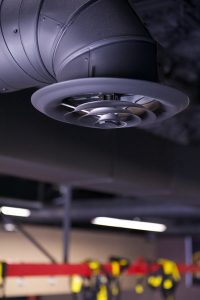
 Most commercial and industrial facilities need ductwork for basic operation of their HVAC systems. Whether it’s for ventilation of fumes, proper circulation of fresh air, or the distribution of cooling and heating, these ducts handle a great deal of work.
Many duct systems are created from pre-manufactured pieces—off-the-shelf parts—which is a less expensive option than having professionals custom fabricate sheet metal ducts. But the small savings from standard ductwork isn’t worth much in the long run, especially when a facility’s ventilation system is expected to work for 10 to 15 years. Customized ductwork offers several major advantages. Here are five of the best reasons to either install customized ductwork or have it replace your existing pre-fabricated ductwork.
 The best time to begin to think about your commercial heating needs is during the fall. Your business may rely on heating throughout the year for process or to protect equipment, or you may only require powerful heating during cold weather. Regardless of how you use your commercial heating, fall is one of the key times to schedule regular maintenance and tune-up service for your HVAC system and other heating equipment to ensure it works its best during the rigors of the coming season.
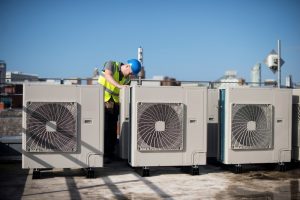 The intense heat of this summer, not only here in Toronto but throughout North America and Europe, has spotlighted the vital importance of reliable and energy-efficient air conditioning systems. This extends to both the commercial and the residential sectors. It has never been more important for commercial facility owners and managers to stay on top of their requirements for
  Toronto frequently becomes hot and humid during the summer, especially in the latter half. This year is already setting heat records across North America, and we can anticipate some intense heat waves moving through in August and September.
 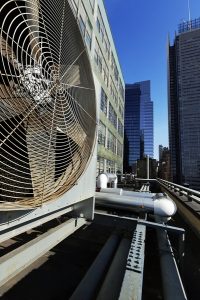 The “repair vs. replace?” question is one of the major ones in the HVAC industry, whether it’s for the air conditioning system in a small house or the array of rooftop units supplying climate control to a larger commercial building. The question is often a pressing one for commercial and industrial HVAC systems because of the expense involved in replacement. Business owners and facility managers want to know the right decision to make when they have failing equipment: continue to have professionals repair them, or have professionals replace them?
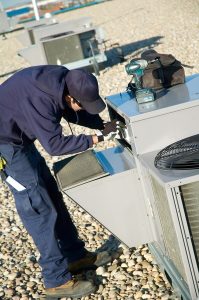 One of the common repair issues we often deal with when it comes to
 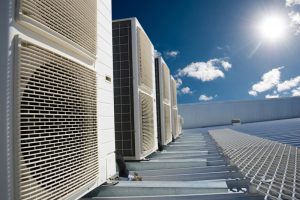 If you’re currently looking to install commercial or industrial HVAC equipment for your facility, you’ll immediately encounter the question of how powerful the equipment needs to be and how many units you’ll need to have installed to meet the climate requirements of the facility. In the HVAC industry, the job of determining the heating/cooling output requirements for new installations is called