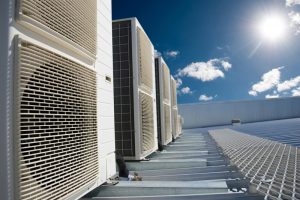
 If your facility is like most modern ones, it uses packaged rooftop AC units to provide it with cooling. For a small retail business, you might only need a single unit to meet your needs. Larger companies may use many of these modular units to deliver the proper climate control within the building.
The modular design of these ACs makes it easier for technicians to service one of them without a facility losing all of its cooling at once. However, detecting that one or more of the rooftop units is starting to fail is key to acting fast so the equipment can be repaired or replaced with minimum interruption. Your facility may be able to continue to operate when one of these units fails, but it will throw off the climate controls, lead to higher bills, and may damage equipment and process if it’s allowed to continue.
Below we’ll go over some ways you can detect rooftop AC units that are failing and need our assistance to repair or replace them.
 Building automation systems (BAS) are common among both new buildings and retrofitted older buildings. You’ve probably already heard plenty about how much a facility can benefit from having a building automation system installed. But you may have felt hesitant about making the leap to retrofitting your facility with something so extensive. Is this change worth it? Does it make an important difference in commercial energy management?
 Relative humidity during the summers in Toronto is often extreme. The July daily average is 82% relative humidity, which is 22% higher than what’s already considered high humidity. The increase in moisture in the air is a cause of discomfort on hot days, but high humidity is also a major concern for commercial buildings. Not only do commercial facilities need to worry about comfort levels indoors, they also have concerns about the damage high moisture levels can do to equipment and property and how it can affect process.
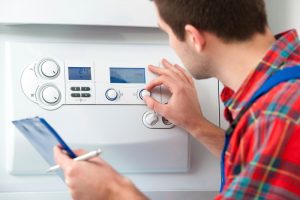 Building Automation Systems (BAS) are both the present and the future of energy management for commercial and industrial facilities. Using building automation gives you new tools for handling different systems in your facility, including heating, cooling, ventilation, security, and electrical systems. The increasing complexity of these systems makes it necessary to have automation to oversee them effectively. Customized
 What is the best thing you can have done for your
 Negative air pressure inside a building creates problems for both homes and commercial/industrial facilities. The simple description of negative air pressure is that it is when the air pressure inside a building is lower than the air pressure outside it.
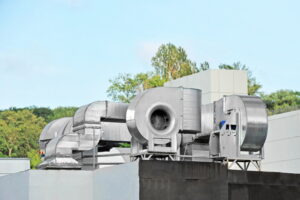 Residential homes have standard maintenance program calendars: maintenance for the air conditioner in spring and for the heater in fall. It’s not so cut-and-dried for industrial facilities where cooling and heating systems often work year-round and handle more jobs than simply providing indoor comfort for customers and employees. The heating systems in an industrial facility serve numerous functions and must operate during all seasons, making their regular maintenance essential in periods when everyone else is scheduling service for their air conditioning systems.
 Maintaining the best possible industrial and commercial indoor air quality has always been a priority for facilities. It affects the health of the people inside the facility and has an impact on equipment and processes. A huge part of our job as commercial and industrial HVAC specialists is helping our customers with better IAQ.
 March is the time of the year when we recommend our customers schedule their regular HVAC maintenance to prepare for the change in weather to spring and then to summer conditions. Depending on how much you use your