
The HVAC system for a commercial facility is one of the major sources of energy use—sometime the biggest source of energy use. It can be a challenge to find ways to lower operating costs and finding opportunities to save energy.
There are different strategies for improving commercial HVAC energy efficiency. On the extreme end, you can have an aging system entirely retrofitted with the latest in heating, cooling, and ventilation technology and special high efficiency units. This is the most expensive route, but for older facilities it may be the best option. Our technicians at Advantage Airtech Commercial can perform this retrofit so you receive the best results.
For a newer building, we recommend investigating commercial energy management in Toronto, ON.
 The best time to have the maintenance done for your commercial air conditioning system is during the cool weather of early spring. Most commercial facilities rely on cooling equipment of some type, whether it’s to provide comfort to employees and customers, or to stop the loss of vital data from equipment overheating. You may think more about your heating system because of the harsh winter in Toronto, but caution year-round can pay off in many ways—particularly in preventing loss of revenue because of a cooling system failure.
 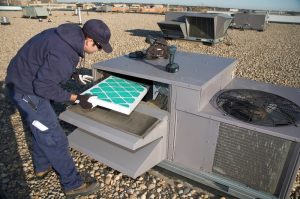 You might believe that it doesn’t really matter what contractor you hire to handle the heating, air conditioning, and ventilation needs of your commercial facility. As long as the company is licensed, it should be fine, right?
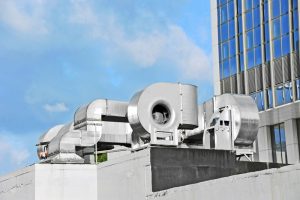 Chances are high that your commercial or industrial facility uses rooftop units in some capacity. Everything from a standard office building to a sheet metal factory has HVAC units housed on the roof to provide for proper environmental controls around the year.
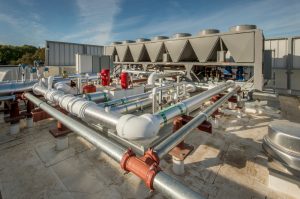 Air conditioning is a word that’s often misunderstood when it comes to the industrial and commercial world. People think of ACs as small systems sending out cool air to provide comfort. But the job of conditioning industrial and commercial spaces often involves systems far different from the air conditioning systems people are used to. For many large facilities, it takes the combined work of chiller and cooling towers to deliver the consistent lower temperatures that make work even possible in the first place.
 We’ve experienced a hot summer here in Toronto, and we can expect the temperatures to remain high for the foreseeable future. These conditions place a huge workload on any type of cooling system—but especially for the air conditioning system for a commercial or industrial facility. An air conditioner is not only doing the work of cooling off personnel, clients, and customers in a facility, it also must manage climate control to protect equipment and process. This is one of the reasons commercial and industrial ACs are more complex than residential air conditioning: a commercial AC handles multiple jobs, and the risk of a loss of cooling puts more in jeopardy than just stopping people indoors from sweating.
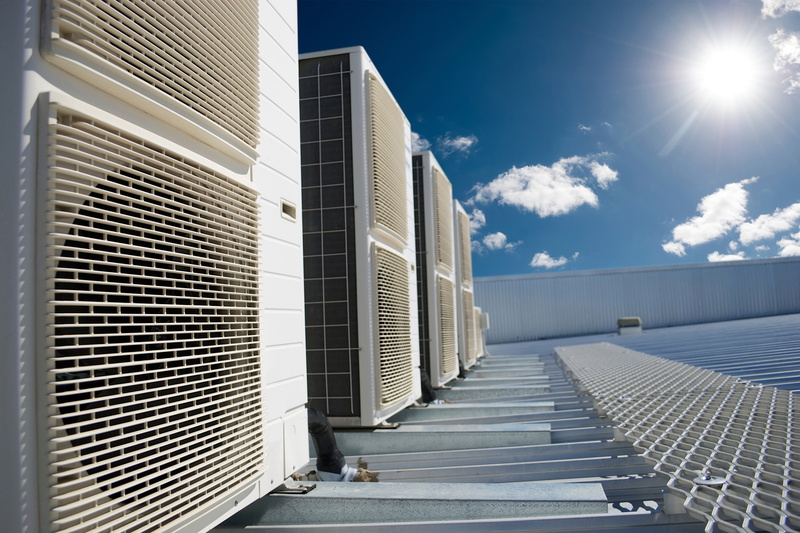 Unless your business is related to the HVAC industry, you probably don’t have much more than a standard working knowledge of commercial heating and cooling systems. Nor do you need to have one—that’s why you have professionals like us around to assist you. So if you’ve ever wondered why rooftop AC equipment is the standard for businesses, we’ve written the post to answer that question and give you some information about how our side of the HVAC industry works.
  Summer is already here, and you’re fretting over the energy bills for your commercial facility. You need more power than ever for the cooling system that keeps your building comfortable and/or which provides the proper environment for equipment and process. Rooftop ACs, server room cooling systems, chillers—they put in an immense amount of work through the summer.