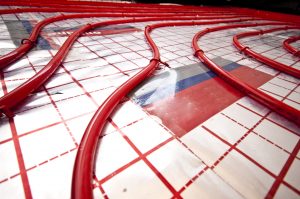
 Hydronic heating is any type of heating done through the circulation of heated liquid. It is sometimes called radiant heating, although in industrial use radiant heating can also refer to other types of heating systems that use hot surfaces. A hydronic system heats liquid and then pipes it to terminal points, where it raises the temperature of an object, such as floorboards, radiators, or baseboard heaters. The heat radiates off the object into the room, raising the temperature of any object the heat touches without raising the temperature of the air between.
Hydronic heating can be found in many types of buildings, and they are becoming popular for many industrial applications. If you are planning on a heating installation for your industrial facility, you may wish to consider using a hydronic system for a number of reasons:
 February is never too early when it comes to making plans for the middle of the year. It’s a good strategy if you own and operate a commercial or industrial facility always to be ready for the warm shift in weather that will change the stresses placed on your staff, customers, equipment, and process. The first hot day could arrive in early spring—the readiness is all!
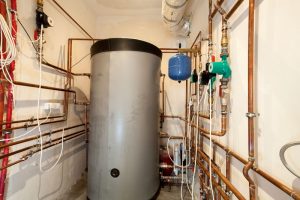 The water heater is a universal appliance found in buildings from modest one-bedroom homes to sprawling industrial facilities. If you operate an industrial business in the Greater Toronto Area, water heaters are probably an essential part of your day-to-day operations.
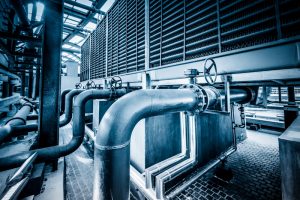 We hope we don’t have to remind you of the importance of relying on trained and professional specialists when it comes to getting work done in an industrial facility. If you own and operate an industrial facility, you already rely on educated and skilled professionals in all the various parts of your operation.
 The winters in Toronto are always tough, and if you run a commercial or industrial facility your main concern during the season is with heating. The HVAC systems that create the environment necessary for your facility to thrive, from delivering comfort for people to protecting equipment from damage, must remain in top shape so your company also remains in top shape.
 Environmental control inside an industrial facility is critical for process and the protection of equipment and products. But industrial facilities present numerous challenges when it comes to percision environmental control, particularly the distribution of heat. Forced-air heating systems (furnaces, rooftop units) often cannot do the job.
  It wasn’t long ago that the concept of a computer automated home or business was reserved for science-fiction stories and special displays at futurist exhibits. However, the technology for building automation has not only arrived, but it continues to improve, allowing for advancements in everything from energy management to basic comfort, convenience, and efficiency throughout a building. Let’s look at some of the ways building automation can make a difference to a commercial/industrial building.
  You took time during the fall to have new heaters installed for your commercial building or industrial facility. It could be new rooftop units, boilers, radiant heaters, or unit heaters. Whatever it was, you depended on the equipment working correctly during another rough Toronto Winter.
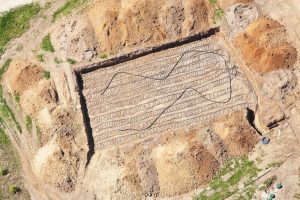 Boilers and cooling towers are expected for many commercial and industrial buildings. But they aren’t the only ways to provide proper environmental controls throughout the year. Commercial geothermal systems are types of powerful heat pumps that rely on the thermal energy drawn from the ground to deliver comfort to a facility or business. The heat pump either draws thermal energy from the ground to provide heat, or it changes direction to use the ground as a heat sink where it can deposit thermal energy removed from the building.
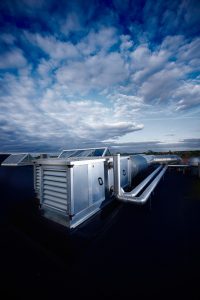 Our company deals with many different types of heating and cooling challenges for commercial and industrial buildings. This is a wider field than many people may realize. We aren’t just focused on providing comfort for people in buildings, but arranging for environmental control that protects equipment and process. It’s a major job to be able to handle everything from delivering air conditioning to a retail store to preventing industrial equipment from overheating