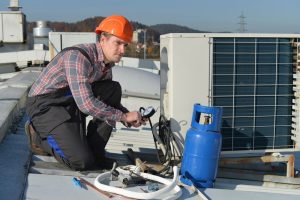
 If you are looking for an AC maintenance plan for your business in Toronto, ON, first of all: smart idea. No matter what type of commercial facility you own or operate in the Greater Toronto Area, having HVAC professionals regularly maintain your heating, cooling, and ventilation equipment is essential for receiving the best steady work from it. Routine commercial HVAC maintenance helps keep utility bills under control, avoids breakdown surprises that can bring work to a halt, extends the life of vital equipment, and reduces the number of repairs any system may need over its service life.
You have numerous options when it comes to commercial maintenance contractors. If you’ve come to our website, it’s likely because you are shopping around to find the best possible HVAC maintenance service. Also a smart idea—because you’ve found us! Our AC maintenance plans are different from what you’ll find at most commercial and industrial HVAC contractors. It’s not only that we’re an experienced company with more than 30 years of history in the area. Our maintenance is maintenance with a difference!
 While the weather outdoors is still cool at this point in spring, this is the time to make sure your industrial facility in the Greater Toronto Area has received its regular professional air conditioning maintenance.
 Maintaining the proper climate inside a commercial facility with cooling units isn’t only something to worry about during the hot weather of summer. The heat created in facilities from the equipment inside them often requires cooling systems. For example, server room cooling is essential for most businesses, even small ones, and it’s necessary around the year.
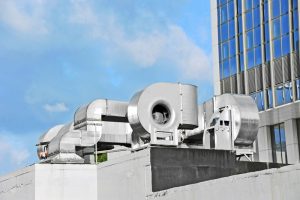 The summer weather from June to September in Toronto can sometimes rise to 35°C, and you don’t want to be a business of any kind stuck without an effective air conditioning system at those times. But proper cooling is important for many facilities around the year: it’s not only an issue of comfort for employees, clients, tenants, etc. but for process and to protect equipment. When you work with our commercial and industrial HVAC professionals, you’ll receive the right type of cooling for your building or facility. We understand the importance of customizing HVAC systems to meet all the specific needs of any of our clients.
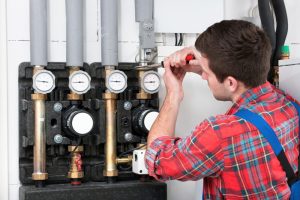 Does your commercial facility rely on a boiler in any way? Boilers remain popular for many commercial uses, such as providing comfort to a retail environment or to help with process. One reason for this popularity is the high energy efficiency of these systems: using heated water to send waves of heat into a space is more effective at delivering warmth rapidly than blowing around heated air from a furnace or rooftop unit. Boilers also don’t send dust and other particles around a space, and this is often essential for proper building operation—and it’s good for air quality in general as well.
 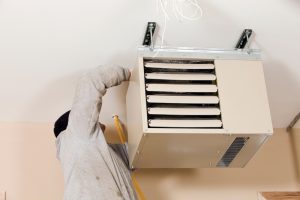 A standard commercial business space usually requires only sufficient heating for comfort for its employees, clientele, etc. during the winter months and sufficient warmth to protect equipment and allow for process. Standard ducted systems are the most common way to heat these spaces. Industrial facilities, however, are another story, and they often need a variety of heating systems to provide the right indoor climate control.
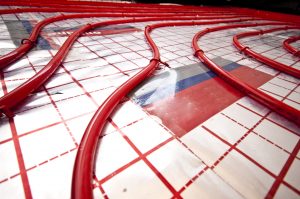 Hydronic heating is any type of heating done through the circulation of heated liquid. It is sometimes called radiant heating, although in industrial use
  February is never too early when it comes to making plans for the middle of the year. It’s a good strategy if you own and operate a commercial or industrial facility always to be ready for the warm shift in weather that will change the stresses placed on your staff, customers, equipment, and process. The first hot day could arrive in early spring—the readiness is all!
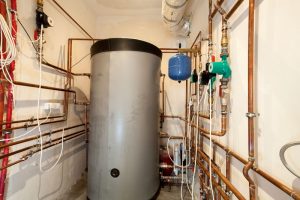 The water heater is a universal appliance found in buildings from modest one-bedroom homes to sprawling industrial facilities. If you operate an industrial business in the Greater Toronto Area, water heaters are probably an essential part of your day-to-day operations.
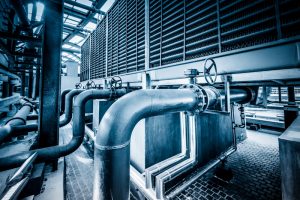 We hope we don’t have to remind you of the importance of relying on trained and professional specialists when it comes to getting work done in an industrial facility. If you own and operate an industrial facility, you already rely on educated and skilled professionals in all the various parts of your operation.