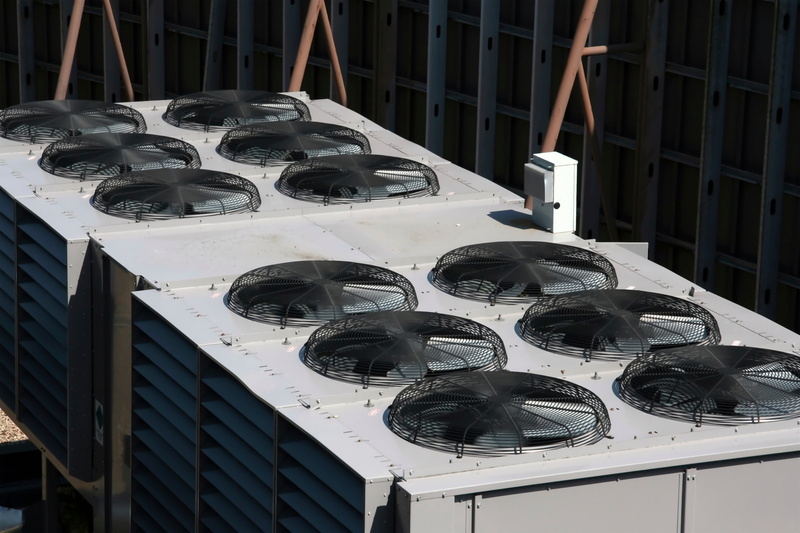
One of the most important parts of installing new commercial and industrial HVAC equipment is sizing it. To people unfamiliar with HVAC terms, this may sound like trying to determine the right physical size of the equipment.
But the “sizing” we’re referring to is the capacity of the unit to provide either heating or cooling (often both in the case of packaged rooftop units).
This sizing needs to take into account numerous factors about the facility.
When you schedule commercial or industrial HVAC installations/replacements with our expert technicians, they’ll go through several steps to size the new equipment so that it matches your facility’s requirements. Undersizing or oversizing equipment will result in inefficient performance and early unit failures.

 Toronto frequently becomes hot and humid during the summer, especially in the latter half. This year is already setting heat records across North America, and we can anticipate some intense heat waves moving through in August and September.
 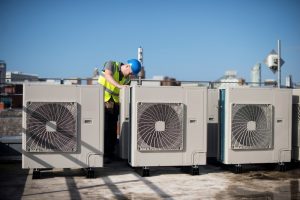 Rooftop HVAC units are among the most frequently employed climate control systems for industrial and commercial facilities. The typical rooftop HVAC unit is a packaged system containing a compressor, expansion device, condenser coil, evaporator coil, and powerful blower fan. Unlike split systems, which place some of their components indoors (the air handler and one of the coils), a rooftop unit handles the heating and cooling in one unit and then sends the conditioned air down into the building’s ventilation system.
 What is the best thing you can have done for your
  You keep a close watch on the budget for your commercial facility, no matter the time of year. During the hot and humid Toronto summers, you expect to see an increase in energy usage in your facility because of the high energy demands from the cooling system. Keeping temperatures controlled inside a building is necessary for almost every type of business, whether it means providing comfort to the people inside or preventing damage to equipment and a slow-down in process. Even a medium-sized office space must have effective cooling for the server room or it will suffer from data loss.
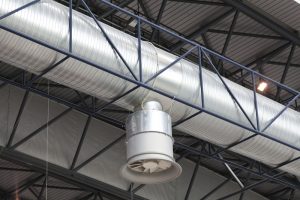 If you’re reading this post, you probably think you could do better for your commercial facility when it comes to its cooling system. There are many reasons you may think this: perhaps higher bills, loss of revenue from equipment failing due to overheating, complaints from employees/clients/customers, or a general realization you have an HVAC system that’s old and outdated.
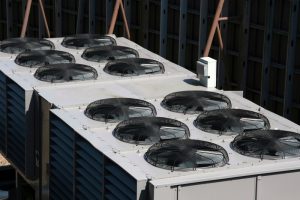 This is the time of year when commercial companies schedule a routine visit from a commercial HVAC contractor to take care of the pre-summer check-up and tune-up for their equipment. The stresses of the upcoming season make it necessary for HVAC machinery to be in top shape.