 No one needs to tell you the winters in Toronto are rough. If you’re a business owner, you know the strain the temperatures and other conditions put on your facility over the season. You don’t want this strain extending into the rest of the year, particularly the heat of summer. Much of the HVAC system for a commercial facility runs throughout the year and doesn’t receive a “break” when temperatures warm up. This is why regular spring commercial HVAC maintenance is essential each year.
Advantage Airtech Commercial Ltd. Blog: Posts Tagged ‘commercial air conditioning maintenance’
The Importance of Customized Spring Commercial HVAC Maintenance
Monday, March 30th, 2020It’s Not Too Early to Plan for Commercial Maintenance
Monday, August 5th, 2019August is often the hottest month in Toronto, and commercial facilities will have their cooling systems working at peak levels for long stretches. This makes it hard to imagine preparing HVAC equipment to handle cold temperatures and ensure that heating systems are in good shape. However, planning is an essential part of preventing major equipment breakdowns.
If you don’t have a maintenance plan in place for your commercial HVAC systems, we strongly recommend calling our office to set up one. We not only offer commercial air conditioning services in Toronto, ON, but our maintenance programs are designed to see to your facility’s HVAC needs around the year.
How an Investment in Commercial AC Maintenance Pays Off
Monday, May 27th, 2019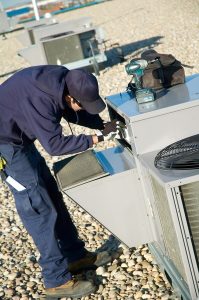 The climate of the Greater Toronto Area puts enormous strain on the HVAC system of any commercial facility. It’s not an easy task to take care of and properly maintain the vital commercial equipment used to control the temperature and air quality inside a building that’s necessary for process, comfort, and more.
Right now, with summer approaching, commercial air conditioning maintenance in Toronto, ON is of paramount importance. If you haven’t yet scheduled AC maintenance for your facility, we recommend that you not only arrange for this service with our technicians, but that you sign up for a complete and comprehensive commercial maintenance program. This way you’ll not only have your HVAC equipment ready for the summer, you’ll have a customized program in place to maintain it throughout the year, every year, every season.
Commercial AC Maintenance: Schedule It Today!
Monday, April 15th, 2019 The best time to have the maintenance done for your commercial air conditioning system is during the cool weather of early spring. Most commercial facilities rely on cooling equipment of some type, whether it’s to provide comfort to employees and customers, or to stop the loss of vital data from equipment overheating. You may think more about your heating system because of the harsh winter in Toronto, but caution year-round can pay off in many ways—particularly in preventing loss of revenue because of a cooling system failure.
The Big Commercial HVAC Problems We See
Monday, January 7th, 2019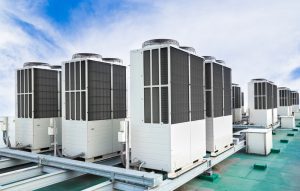 We’ve been working on commercial heating, cooling, and ventilation for more than three decades here in the Greater Toronto Area. We’ve seen it all when it comes to HVAC troubles for commercial facilities and buildings, from the routine and common to the very weird.
It’s fun to share weird stories, but they aren’t helpful when it comes to providing our customers with the information they need. So today we’re going to broaden the scope and look at the most common HVAC problems a commercial facility—such as yours—may face, as well as what we can do about it.
When Late Summer Weather Is Too Much for Your Commercial AC
Monday, August 20th, 2018 We’ve experienced a hot summer here in Toronto, and we can expect the temperatures to remain high for the foreseeable future. These conditions place a huge workload on any type of cooling system—but especially for the air conditioning system for a commercial or industrial facility. An air conditioner is not only doing the work of cooling off personnel, clients, and customers in a facility, it also must manage climate control to protect equipment and process. This is one of the reasons commercial and industrial ACs are more complex than residential air conditioning: a commercial AC handles multiple jobs, and the risk of a loss of cooling puts more in jeopardy than just stopping people indoors from sweating.
But what happens when all this summertime pressure overwhelms an AC, and suddenly you’ve not only got sweat but the threat of failing equipment and an operational shutdown?
Why the Rooftop AC Is the Standard for Business and Industry
Monday, August 6th, 2018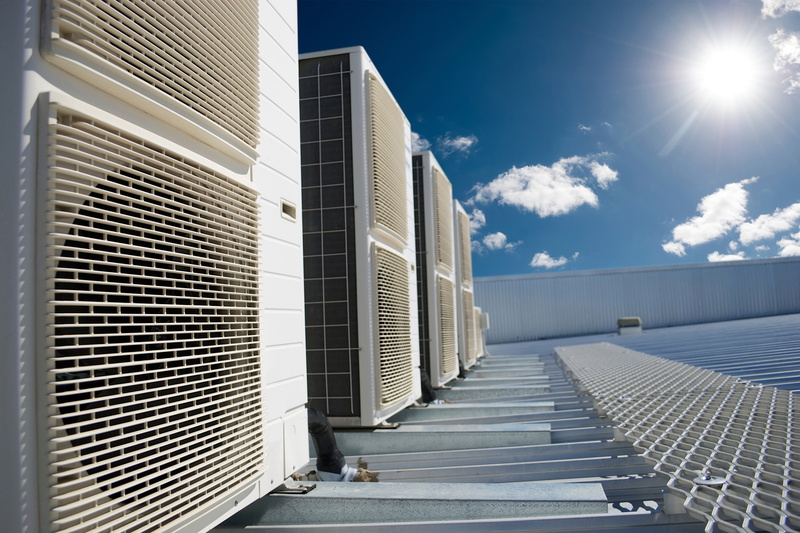 Unless your business is related to the HVAC industry, you probably don’t have much more than a standard working knowledge of commercial heating and cooling systems. Nor do you need to have one—that’s why you have professionals like us around to assist you. So if you’ve ever wondered why rooftop AC equipment is the standard for businesses, we’ve written the post to answer that question and give you some information about how our side of the HVAC industry works.
Ways to Upgrade Your Commercial Cooling This Summer
Monday, July 9th, 2018 Summer is already here, and you’re fretting over the energy bills for your commercial facility. You need more power than ever for the cooling system that keeps your building comfortable and/or which provides the proper environment for equipment and process. Rooftop ACs, server room cooling systems, chillers—they put in an immense amount of work through the summer.
But could they be doing even better? We’re almost certain of it. Below is a list of various ways you can upgrade and improve your commercial cooling this summer. Feel free to call us for more details as well as other suggestions we have that are tailored to your commercial needs.
How Our AC Maintenance for Businesses Differ from Others
Monday, May 28th, 2018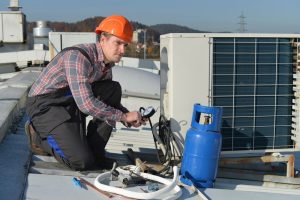 If you are looking for an AC maintenance plan for your business in Toronto, ON, first of all: smart idea. No matter what type of commercial facility you own or operate in the Greater Toronto Area, having HVAC professionals regularly maintain your heating, cooling, and ventilation equipment is essential for receiving the best steady work from it. Routine commercial HVAC maintenance helps keep utility bills under control, avoids breakdown surprises that can bring work to a halt, extends the life of vital equipment, and reduces the number of repairs any system may need over its service life.
You have numerous options when it comes to commercial maintenance contractors. If you’ve come to our website, it’s likely because you are shopping around to find the best possible HVAC maintenance service. Also a smart idea—because you’ve found us! Our AC maintenance plans are different from what you’ll find at most commercial and industrial HVAC contractors. It’s not only that we’re an experienced company with more than 30 years of history in the area. Our maintenance is maintenance with a difference!
Arrange to Service Your Rooftop AC Units Before Summer
Monday, April 30th, 2018Maintaining the proper climate inside a commercial facility with cooling units isn’t only something to worry about during the hot weather of summer. The heat created in facilities from the equipment inside them often requires cooling systems. For example, server room cooling is essential for most businesses, even small ones, and it’s necessary around the year.
However, summer brings extra challenges for facilities where air conditioning is an essential part of comfort for employees, clients, customers, tenants, etc. This makes it essential to have maintenance service for rooftop air conditioning units before the hot weather arrives. The weather in Toronto is still cool, but it won’t remain that way for much longer—and you don’t want to get caught with any non-working air conditioning equipment when the summer weather strikes.