
 The winters in Toronto are always tough, and if you run a commercial or industrial facility your main concern during the season is with heating. The HVAC systems that create the environment necessary for your facility to thrive, from delivering comfort for people to protecting equipment from damage, must remain in top shape so your company also remains in top shape.
So it may seem strange to bring up cooling at this time of year, but there is an essential cooling system you still need working at peak effectiveness all through the winter: IT and server room cooling.
 It wasn’t long ago that the concept of a computer automated home or business was reserved for science-fiction stories and special displays at futurist exhibits. However, the technology for building automation has not only arrived, but it continues to improve, allowing for advancements in everything from energy management to basic comfort, convenience, and efficiency throughout a building. Let’s look at some of the ways building automation can make a difference to a commercial/industrial building.
  Boilers and cooling towers are expected for many commercial and industrial buildings. But they aren’t the only ways to provide proper environmental controls throughout the year. Commercial geothermal systems are types of powerful heat pumps that rely on the thermal energy drawn from the ground to deliver comfort to a facility or business. The heat pump either draws thermal energy from the ground to provide heat, or it changes direction to use the ground as a heat sink where it can deposit thermal energy removed from the building.
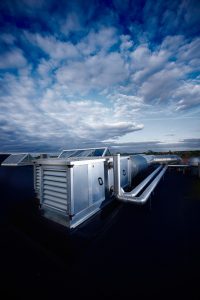 Our company deals with many different types of heating and cooling challenges for commercial and industrial buildings. This is a wider field than many people may realize. We aren’t just focused on providing comfort for people in buildings, but arranging for environmental control that protects equipment and process. It’s a major job to be able to handle everything from delivering air conditioning to a retail store to preventing industrial equipment from overheating
  Maintenance. It’s a standard word everyone knows in the commercial world, and everyone knows it’s important. But not everybody knows how important it is, or that not all maintenance is equal. When you arrange to have
 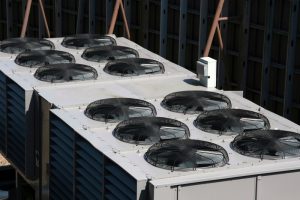 The language of commercial HVAC often sounds strange to people who aren’t in the field—something that’s true of almost any specialized field. But our commercial HVAC experts take pride in working closely with all our customers. It’s one of the reasons most of our customers stay with us for life. We want you to understand what’s happening with your HVAC equipment and what it all means. That way we can maintain great communication that keeps you in the loop.
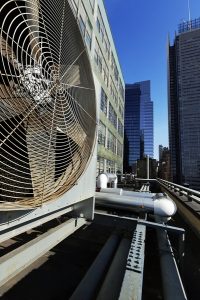 One of the basic units of commercial air conditioning and heating is the
 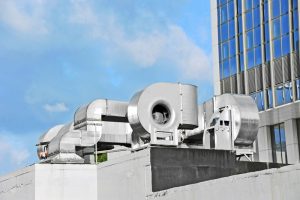 Summers in the Greater Toronto Area may not be as tough as the winters, but we still experience heat that can have a negative effect on commercial buildings and facilities. Managing cooler temperatures inside a facility during the hottest days of the summer is essential in a number of ways.
 Air conditioning in a business is about more than providing a comfortable environment for employees, customers, clients, and tenants. Proper cooling is essential for process and to protect equipment, and this applies to small businesses as well as to large industrial facilities that
 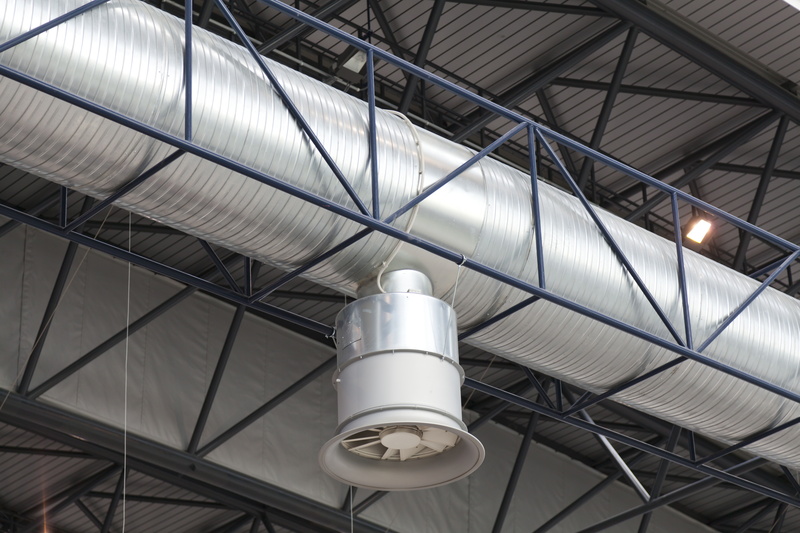 We are proud of the large number of services we provide commercial and industrial companies in the Greater Toronto Area. We’re a heating, cooling, and ventilation contractor, but people often overlook the “ventilation” part—the “V” in HVAC. The truth is that while maintaining the proper level of temperature inside your commercial or industrial facility is essential for continued operation—it not only offers comfort for people, it’s often vital for the proper protection of equipment as well as process—the indoor air quality is also essential. As with heating and cooling, it affects people, equipment, and process. Our technicians are experienced with handling the many ventilation needs of buildings for the