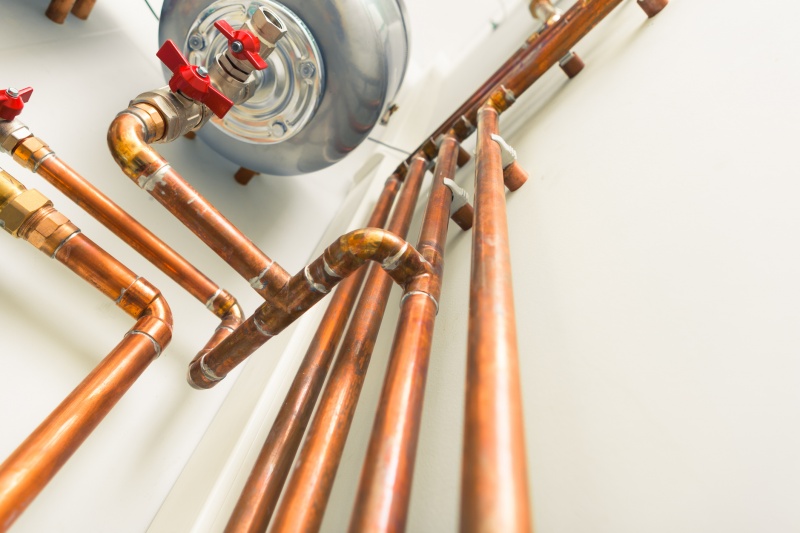
The term radiant heating tends to mean something different in the commercial and industrial sector than it does in the residential. When you hear residential HVAC technicians talk about adding radiant heating to a house, they’re usually referring to heating using a boiler, a.k.a. hydronic heating. In hydronic heating, a boiler heats up water and sends it to terminal points such as radiators and baseboard heaters to raise their temperature, which then sends waves of heat into rooms. Other types of radiant heating in homes include electrical elements in the floor or walls that heat up building material and radiate heat indoors.
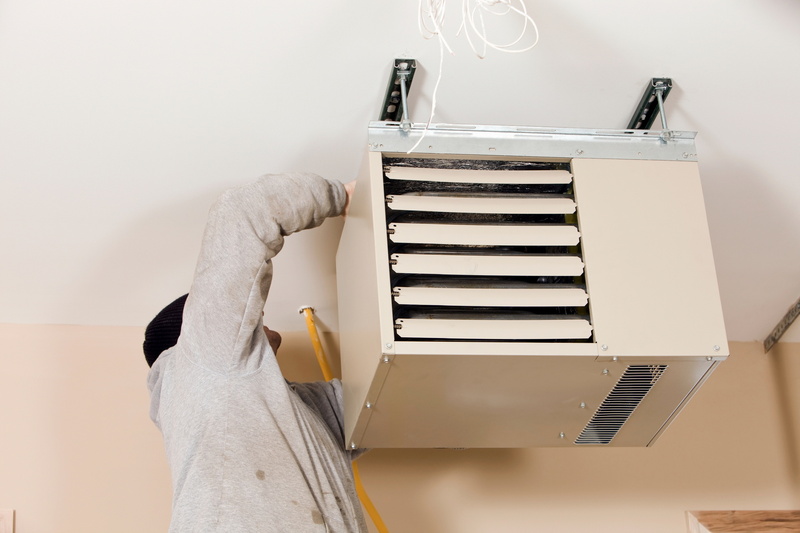
These methods are used in commercial buildings, but when technicians talk about using a radiant heating system for a commercial or industrial space, they usually mean radiant tube heating. The heat from these is still radiant, i.e. it doesn’t heat the air but instead sends infrared waves to heat the people and objects within that space. However, radiant heaters work much differently than hydronic systems, and they have a special use: they’re excellent at heating large, open spaces such as warehouses or spaces that are often exposed to the outside cold.
Continue Reading
Tags: Commercial Heating Installation, Radiant Heating Systems, Toronto
Posted in Commercial Heating | Comments Off on Using Radiant Heating for Large, Open Commercial Spaces

 Mold is an insidious and serious issue for any building—residential, commercial, industrial. The development of mold creates a major two-prong problem. On one hand, mold can have a devastating impact on the health quality of indoor air.
  The true “heating season” will soon be upon us, and no matter what type of business or facility you run in the Greater Toronto Area, you’ll want to make sure that its heating systems are working properly.
  Most commercial and industrial facilities need ductwork for basic operation of their HVAC systems. Whether it’s for ventilation of fumes, proper circulation of fresh air, or the distribution of cooling and heating, these ducts handle a great deal of work.
  The intense heat of this summer, not only here in Toronto but throughout North America and Europe, has spotlighted the vital importance of reliable and energy-efficient air conditioning systems. This extends to both the commercial and the residential sectors. It has never been more important for commercial facility owners and managers to stay on top of their requirements for
  Toronto frequently becomes hot and humid during the summer, especially in the latter half. This year is already setting heat records across North America, and we can anticipate some intense heat waves moving through in August and September.
  The “repair vs. replace?” question is one of the major ones in the HVAC industry, whether it’s for the air conditioning system in a small house or the array of rooftop units supplying climate control to a larger commercial building. The question is often a pressing one for commercial and industrial HVAC systems because of the expense involved in replacement. Business owners and facility managers want to know the right decision to make when they have failing equipment: continue to have professionals repair them, or have professionals replace them?
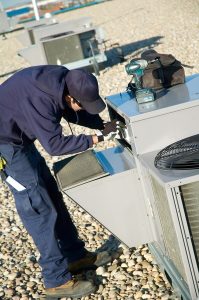 One of the common repair issues we often deal with when it comes to